


Overview
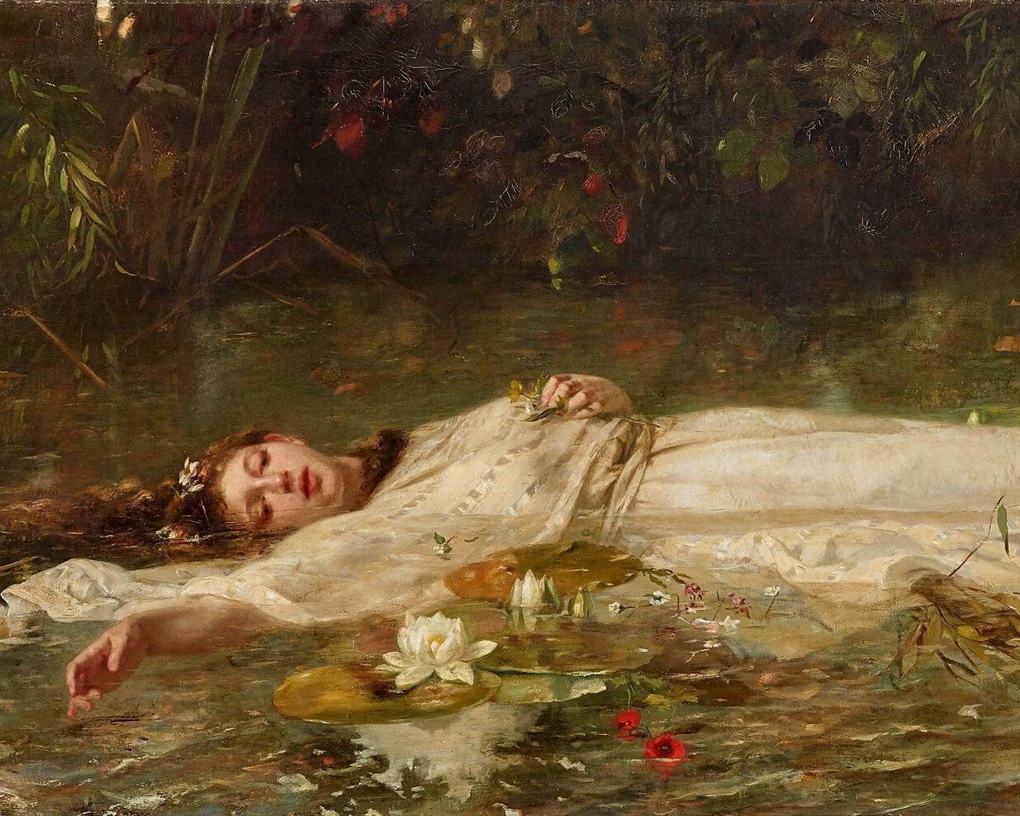
This lesson connects Shakespeare’s Hamlet, Friedrich Heyser’s painting The Fate of Ophelia, and Taylor Swift’s modern reinterpretation of the same theme. Students explore how a single literary figure — Ophelia — transcends centuries and mediums, sparking renewed cultural conversations about art, emotion, and storytelling.
The recent Guardian article reports that Taylor Swift fans are traveling to Germany’s Museum Wiesbaden to view Heyser’s painting, which inspired imagery in her music video. This fascinating case study allows students to see how classical literature continues to shape — and be reshaped by — popular culture.
Learning Objectives
Students will:
- Analyze how Ophelia’s story has evolved from Hamlet through visual art and modern music.
- Identify artistic and literary techniques that convey mood, symbolism, and theme.
- Reflect on how pop culture can renew interest in classical works.
- Discuss how educators can use contemporary culture to deepen literary engagement.
Materials
Image of Friedrich Heyser’s The Fate of Ophelia (Museum Wiesbaden) View via Museum Wiesbaden
Additional reliable sources for context:


Introduction
- Begin by showing the image of Heyser’s Ophelia and inviting students to share their first impressions.
Ask:
- What emotions do you sense from the painting?
- What story do you think is being told here?
- Then, explain that this is a 19th-century interpretation of Shakespeare’s Ophelia, a tragic figure from Hamlet. Tell students that Taylor Swift recently referenced this painting in her music video The Fate of Ophelia, sparking a surge of museum visits by her fans.
- Use this moment to highlight how art and literature continue to live new lives through reinterpretation.
Group Discussion
- Guide students to connect the three sources — Hamlet, Heyser’s painting, and Taylor Swift’s song.
Encourage them to explore questions such as: - How does each artist portray Ophelia’s death?
- What visual or symbolic elements are shared across versions?
- Why might Taylor Swift be drawn to this image in 2025?
- What does this say about how audiences today relate to themes of loss, identity, and performance?
- This discussion allows students to move from observation to interpretation — building literary and visual literacy side by side.
Individual Learning and Check for Understanding
Comprehension Checks (based on the Guardian article)
- Why are so many Taylor Swift fans visiting the Museum Wiesbaden in Germany?
- Who painted The Fate of Ophelia, and what inspired this painting?
- How did Taylor Swift’s music video bring new attention to this artwork?
- What has been the museum’s reaction to the sudden increase in visitors?
- What connection does the painting have to Shakespeare’s play Hamlet?
- How do the fans’ visits show the power of music and social media today?
Short Written Response (optional journal or homework)
Choose one:
- How does Taylor Swift’s song help people discover art and literature they might not have known before?
- Why do you think the story of Ophelia still matters today, even hundreds of years after Hamlet was written?
Essay Questions
- Use one or both as culminating reflections or assessments:
- Why do you think Taylor Swift’s fans became so interested in the painting “The Fate of Ophelia”? Explain how music, art, and stories can influence each other.
- Compare how Shakespeare, Friedrich Heyser, and Taylor Swift each tell the story of Ophelia. What feelings or ideas do they want the audience to have?
Wrap-Up Discussion
- Invite students to share what surprised them most. Did they see the connection between Swift’s art and Shakespeare’s tragedy as authentic, ironic, or commercial?
Encourage metacognitive reflection: -
What does this tell us about the role of the artist — or the teacher — in keeping old stories alive?
-
What might this mean for how we approach literature in the classroom today?
-
